A Siege Film That Arrived at the Worst Possible Moment
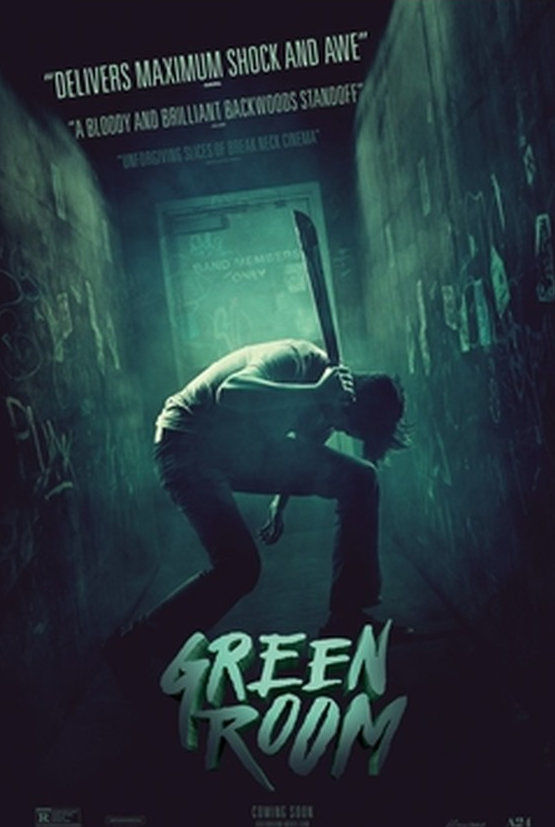
Anton Yelchin plays Pat, the band's bassist and the closest the film has to a centre of gravity. Where a more conventional siege thriller might give its protagonist a hidden competence, Saulnier allows Pat to remain frightened, improvising badly under pressure, only occasionally finding anything that looks like a plan. It is a performance of sustained physical and psychological credibility. Yelchin had spent the previous decade accumulating a body of work across franchises — the rebooted Star Trek series among them — and quieter, stranger choices in independent cinema. Green Room belongs firmly to the second category. Pat is not a hero the film is building toward; he is a person the film is watching run out of options.
Saulnier shot Green Room in Oregon and Washington state, and the production design has the texture of a specific social world rather than generic genre space: the bar's backstage labyrinth, its cluttered green room, the darkened exterior woods. The violence, when it arrives, carries genuine consequence — characters do not absorb punishment and continue functioning. This commitment to physical cause and effect separates Green Room from much contemporary horror-adjacent thriller-making, and it reinforces the film's central argument: that the danger is not symbolic but material.

Rogue Pictures had no involvement here; Green Room was acquired and released by A24, which by 2016 had established itself as the American distributor most consistently willing to back difficult, visually precise genre work. The film earned strong critical consensus — a certified fresh rating on Rotten Tomatoes and a domestic gross that, while modest in absolute terms, was proportionate to the scale and ambition of the production. Reviews noted Stewart's casting as a deliberate subversion, and Yelchin's performance as the quietly authoritative emotional core.
Anton Yelchin died on 19 June 2016, aged twenty-seven, in Los Angeles.
Green Room had been in wide release for approximately six weeks at that point. The film did not become, and should not be treated as, a monument to his death. What it is, rather, is a finished and substantial piece of work in which his choices as a performer are recorded completely. Pat's arc — from a musician trying to get paid to someone discovering how far ordinary people can be pushed before judgment collapses — is closed within the film's ninety-five minutes. As documented at Box Office Mojo, the film's theatrical run had already completed most of its commercial life before June; the tragedy did not reshape the numbers, and it need not reshape the critical account.
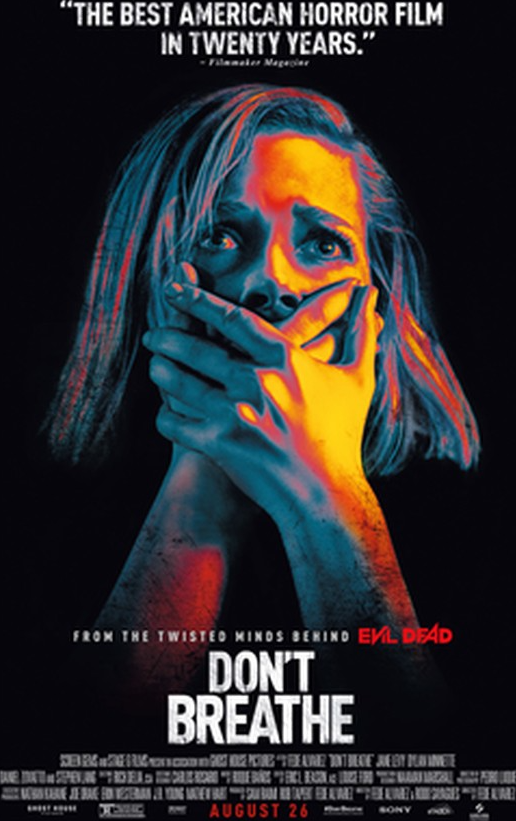
What Green Room represents, alongside films such as Don't Breathe and 10 Cloverfield Lane from the same year, is a strand of 2016 horror-adjacent genre cinema that prioritised spatial constraint and human vulnerability over supernatural premise or technological spectacle. Saulnier earns that belief through setting, pacing, and casting — and Yelchin, specifically, earns it through a performance that never once asks for sympathy it has not demonstrated.
The film stands. That is what can and should be said. Yelchin finished it, Saulnier released it, and Green Room takes its place in the genre record of the year as a completed argument about fear, improvisation, and the specific cruelty of spaces with no exits.