A Hinge Year
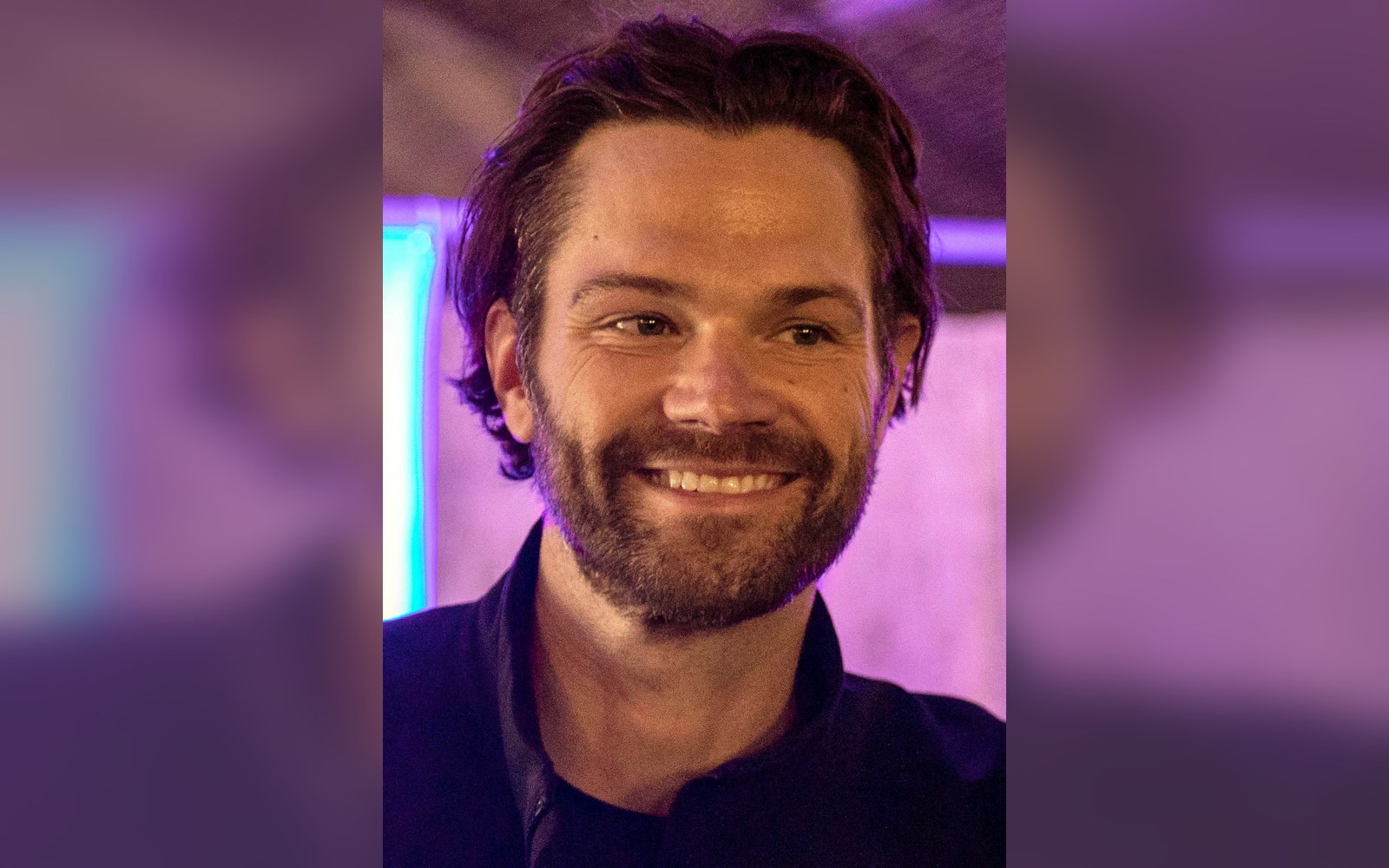
Jared Padalecki was twenty-one when Cry Wolf began production at the University of Richmond in 2004. He had come off a recurring role in Gilmore Girls — light television, small-town warmth — and the slasher fitted him into something considerably darker. He plays Tom, one of the prep-school students drawn into a fabricated killer narrative, and the role asks for the kind of reactive tension that ensemble horror distributes across its cast: suspicion, menace, sudden vulnerability.
The same year, he was cast as Sam Winchester in Supernatural, the series that would premiere on The WB in September 2005 and run, eventually, to fifteen seasons and three hundred and twenty-seven episodes. The two projects did not overlap in filming, but they occupied the same creative moment — Padalecki moving from light drama toward genre material that required him to carry physical threat and existential dread in equal measure.
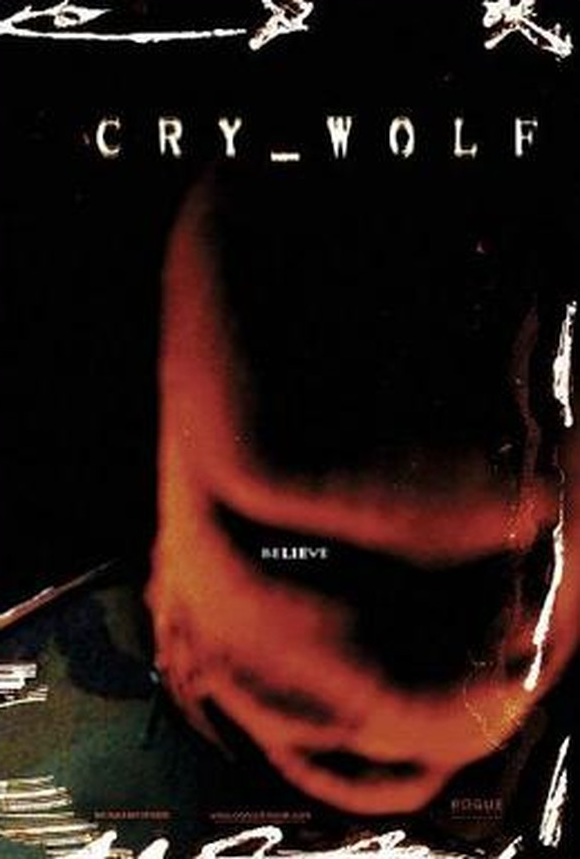
The convergence was not accidental. Cry Wolf operates entirely within the horror grammar that Supernatural would later systematise for network television: the social deduction game at the film's centre trades on questions of who is dangerous and who is deceived, the same questions that drive monster-of-the-week procedural structure. Both texts are preoccupied with the gap between the story a community tells about danger and the danger that actually arrives — the logic that the Aesop fable makes explicit and that slasher cinema borrows for its twist mechanics.
Jeff Wadlow's film gave Padalecki a horror credit before the role that defined his relationship to the genre. Tom is not a final girl and not quite a villain; he occupies the film's moral middle ground, the figure whose ambiguity the script uses to sustain unease. It is a functional piece of ensemble work rather than a star turn, which is precisely the preparation Supernatural required: a long-running genre series depends on actors who can modulate between registers — warmth, threat, grief — without tipping any one scene into caricature.
The slasher was already, in that sense, a rehearsal.