The Lake as Threshold
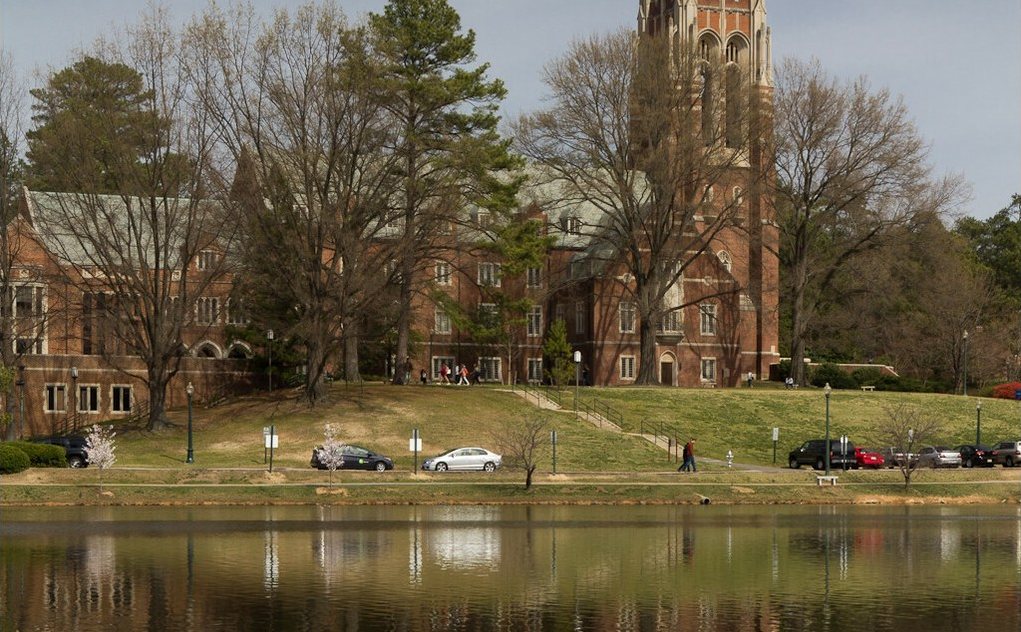
Westhampton Lake sits at the physical centre of the University of Richmond campus, dividing the men's and women's residential colleges and giving the grounds their defining quality of enclosure. In the film's most drawn-out suspense sequence, a character crosses the lake's perimeter at night, alone, the path stretching ahead under inadequate lighting. The geography is legible to anyone who has walked it: the curve of the bank, the low ambient glow from surrounding Gothic stonework, the sense that the water on one side and dense planting on the other reduce the walkable world to a single corridor.
That corridor is precisely what Jeff Wadlow and his editor exploit. The sequence accumulates duration beyond what the physical distance could justify — the walk around or alongside Westhampton Lake is short in practice, measured in minutes on foot. On screen it expands, cut into fragments that return repeatedly to the figure in motion, each fragment slightly mismatched in eyeline and ambient sound so that spatial continuity quietly dissolves. The character appears to have been walking far longer than the geography permits. The lake has become elastic.
Where the Map Diverges
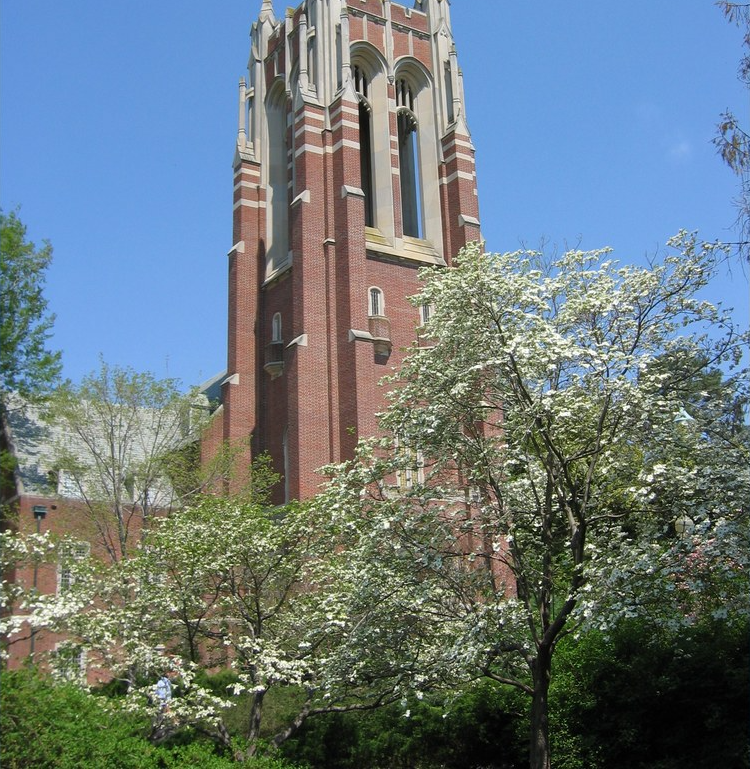
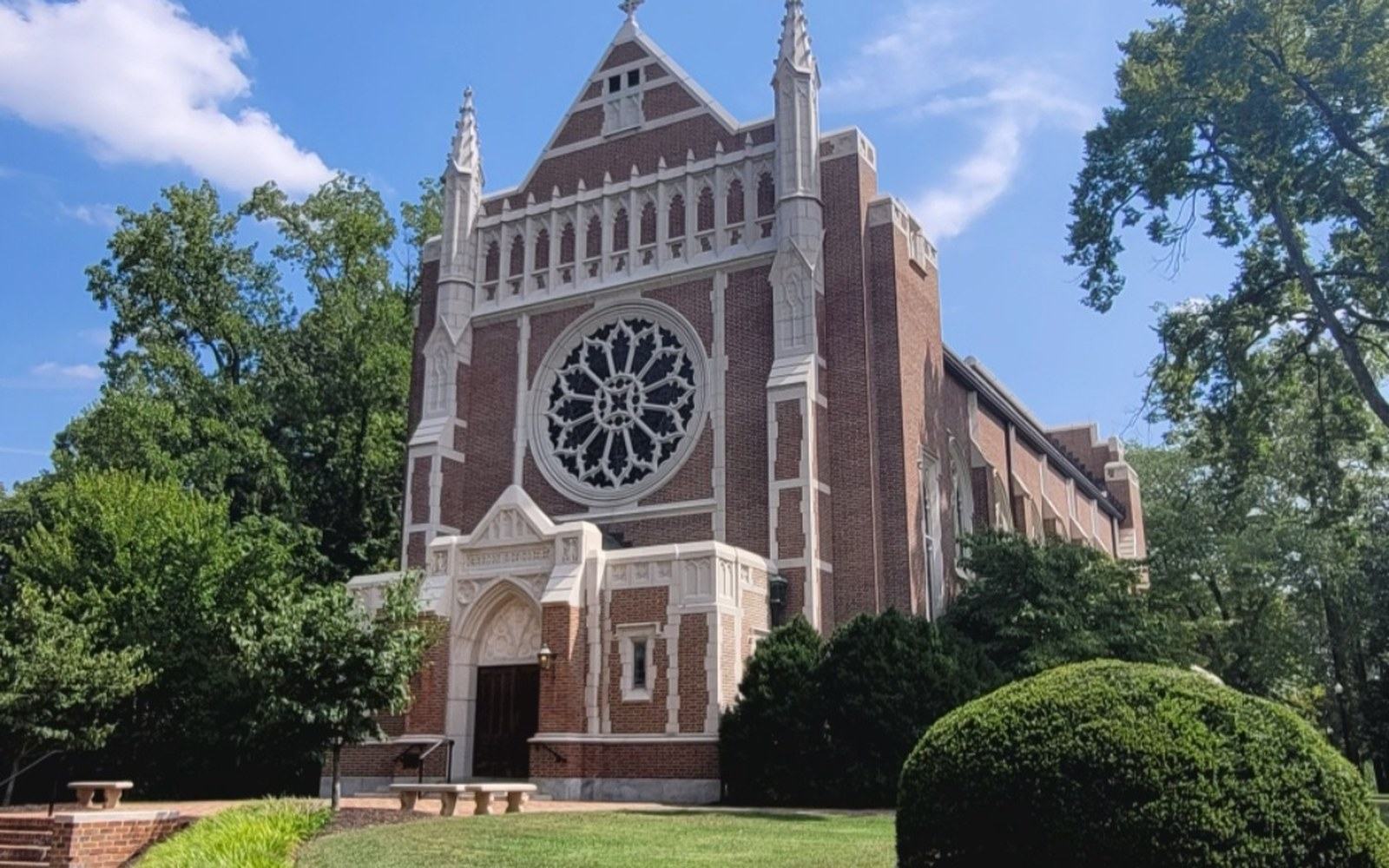
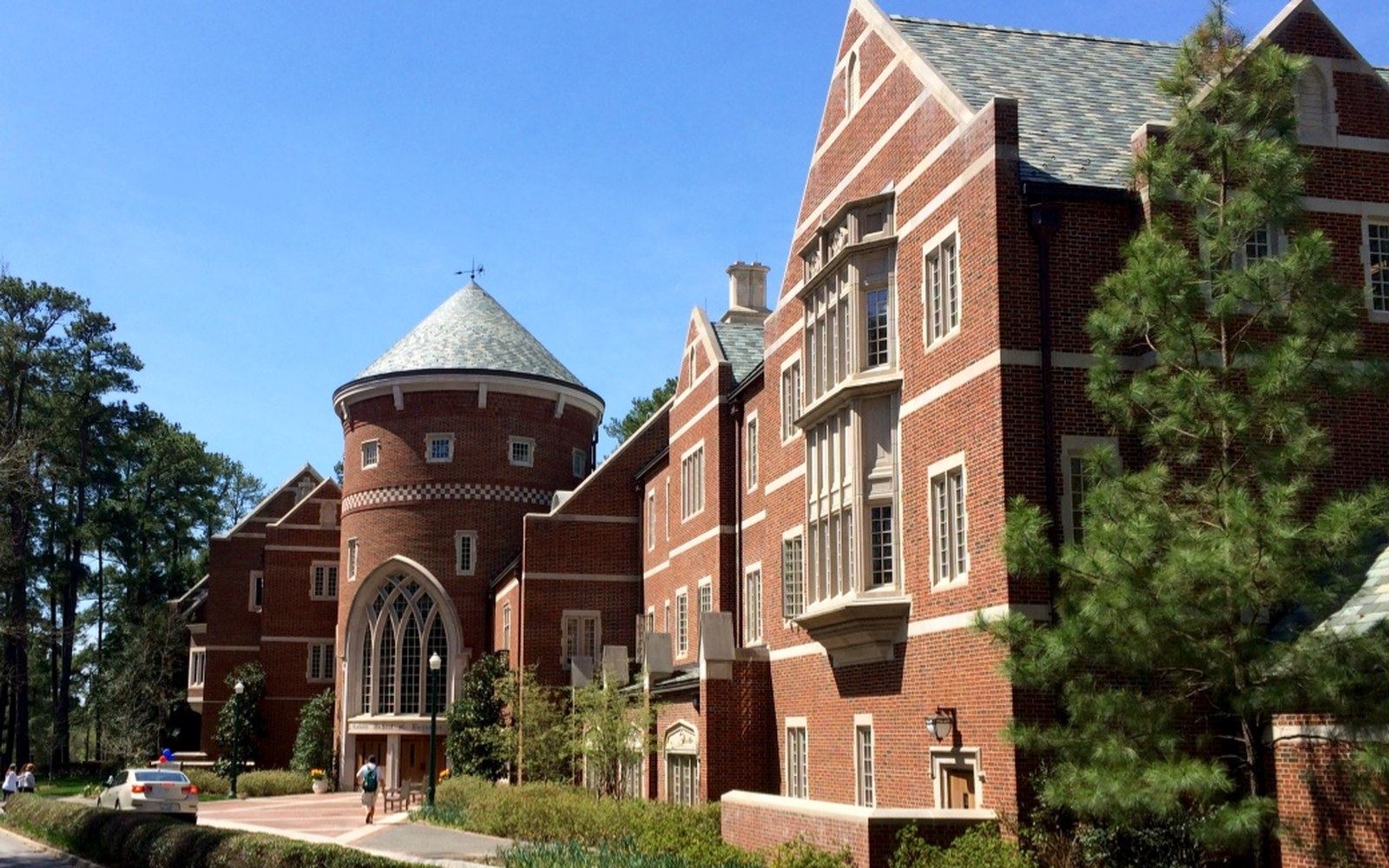
The divergence is deliberate and systematic. Establishing shots confirm the real location — the collegiate Gothic silhouette visible across the water is the University of Richmond's actual north shore, shot on the campus that granted the production its first-ever feature-film access. But the cut-aways and reaction inserts were captured on separate occasions, often in different sections of the pathway, then assembled into a single implied traverse. The result is a location that exists simultaneously as a recognisable Richmond landmark and as a purely cinematic construction of dread.
The sonic design reinforces the split. The real campus at night carries ambient traffic noise from the surrounding residential streets of Richmond, Virginia. In the sequence, that urban undertone is stripped out, replaced by natural sounds — water movement, insect noise, wind in tree cover — that belong to a more remote, more isolated geography than the actual site provides. Westhampton Lake in the film sounds like countryside. The editing insists on the isolation that the real location cannot quite supply.
Cry Wolf was shot in a recognisable institution, but its suspense sequences require a version of that institution from which escape has been architecturally removed. The lake, in reality a navigated daily amenity, becomes in the cut something a character cannot simply walk away from. That transformation is the whole grammar of the sequence.