
The Boy Who Cried Wolf, Rewritten in Thriller Form
The fable's logic depends on two movements. First, the boy manufactures a crisis and profits from the attention it generates. Second, the community's trained scepticism becomes fatal when the crisis becomes genuine. Wadlow and Bauman's adaptation — expanding a competition short into a feature-length screenplay — transplants both movements intact, then complicates them by making the boy the unreliable centre of the narrative rather than a minor figure observed from outside. Owen (Julian Morris), a new arrival at the fictional Westmoor boarding school, is recruited into a social deduction game called Wolf, played in Cannon Memorial Chapel by a group of students who invent a serial killer named the Wolf, complete with fabricated victim profile and identifying orange ski mask. Owen and Mercy (Lindy Booth) then broadcast the invention via group text to the wider school. The cry goes out. The community believes.
Where Aesop Ends and the Screenplay Begins
The fable concludes at the moment the real wolf appears. Wadlow's script spends the majority of its second act at that exact moment, then refuses to resolve it cleanly. Students begin dying — or appearing to. The orange-masked figure from the invented profile appears to stalk the school's corridors. Owen, the boy who cried wolf, cannot convince anyone that what is now happening is real, because he himself fabricated its description in advance. The community's scepticism is earned, rational, and lethal. Aesop's moral lands with structural precision at the midpoint of the film, not at its climax.
What Wadlow adds is a third movement that the fable does not contain: the revelation that the real killer exploited the fiction. The murders, when confirmed as genuine, turn out to have been planned in part around the existence of the invented narrative — the killer used the group's prank as cover, knowing that Owen's warnings would be dismissed. This extends the fable's logic rather than abandoning it. In Aesop, the wolf is an indifferent natural predator; its arrival is coincidence. In Wadlow's version, the wolf is a person who read the situation and used the cry itself as an instrument. The moral shifts from a warning against dishonesty to something closer to a structural observation: that a manufactured panic, once released into a community, creates conditions a genuine predator can exploit.
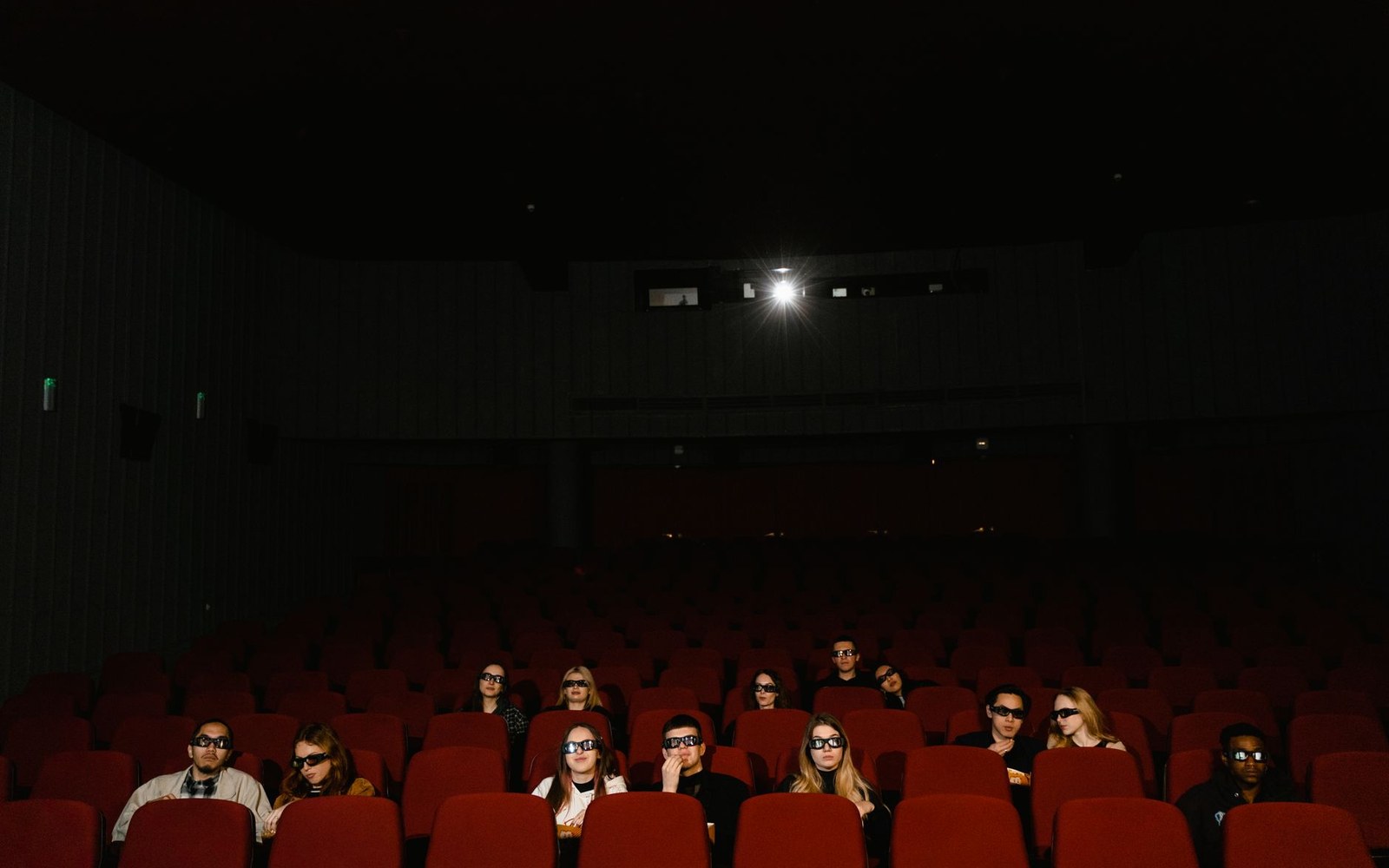
The screenplay supports this shift through a careful management of information. The audience knows that the Wolf killer is a fabrication because it is present at the game's invention. It is then placed, scene by scene, in the same epistemological position as Owen: watching events that resemble the fiction, unable to determine whether they are real. The editing in the film's third act returns repeatedly to images that could be read either way — a figure in a ski mask glimpsed at a door, a body that may be a prank. The fable's core ambiguity, in its original form no ambiguity at all (the wolf is simply real), becomes the thriller's primary mechanism for nearly seventy minutes.
The Ski Mask as Narrative Object
The orange ski mask deserves attention as a formal element. In the group's constructed mythology, the mask is a detail added to make the fictitious killer visually specific — a narrative choice within the fiction-inside-the-fiction. When the mask then appears in what seems to be reality, it functions as a citation: someone has read the story. The object is borrowed from the invented tale and placed in the real world, which is precisely the transmission mechanism the fable describes. The cry creates a template; the template is then inhabited.
This is a more sophisticated use of urban legend transmission than most slasher films attempt. The genre's standard model — a legend precedes a killer who literalises it — typically positions the legend as warning, not blueprint. Wadlow reverses the causality: the students do not hear a legend and encounter a killer; they invent a killer and someone uses the invention. The mask is the point of contact between the two layers, the object that belongs simultaneously to the fiction and the crime.
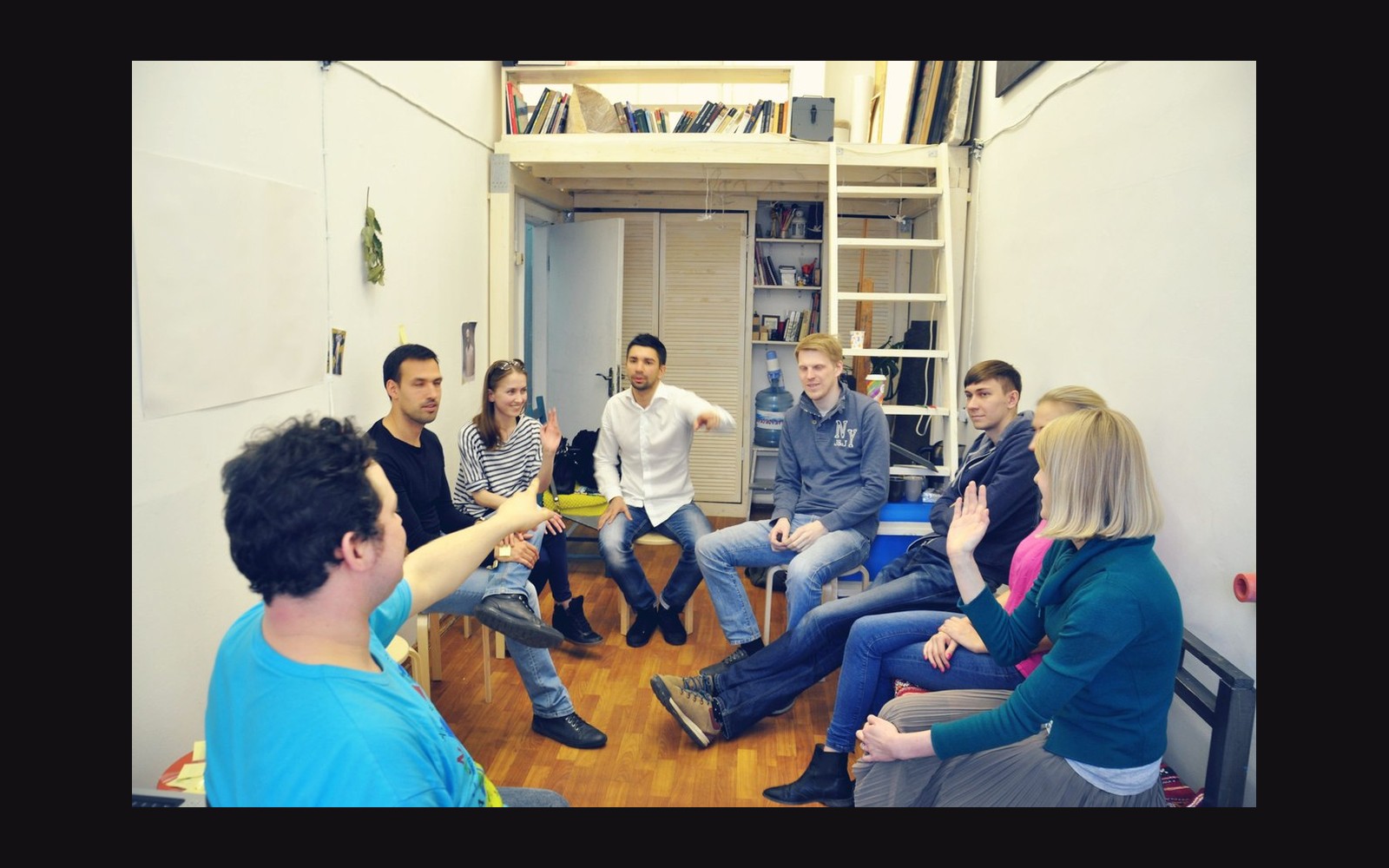
The fable's original shepherd boy is a lone prankster; the lie is self-serving but not malicious, a child seeking attention. Owen is also seeking status — admission to the school's social hierarchy — but his invention is collaborative and has an audience. The text message that broadcasts the Wolf killer to the Westmoor student body is the modern equivalent of the false cry, but it has an instantaneous reach and a documented trail. Bauman and Wadlow were writing in 2003 and 2004, early in the period when group messaging was becoming a social instrument capable of spreading unverified narratives at speed. The script anticipates, with reasonable clarity, a dynamic that would become familiar over the following decade.
The fable does not explain the wolf. It arrives. Wadlow does explain his killer, in a brief expository sequence, but the explanation is compressed to near-fable terseness: motive stated, mechanism confirmed, image held. The moral, in both versions, is less about the killer's psychology than about the community's conditioning. What the boy who cried wolf teaches, and what Cry Wolf teaches in a darker register, is that narrative credibility, once exhausted, cannot be reinstated by telling the truth. The fable ends with that loss. So does the film.