A Genre Label in a Prestige House
The label released a recognisable slate during its short run. Shaun of the Dead arrived through Rogue in North America in 2004, among the label's earliest releases. Cry Wolf followed in September 2005, acquired after Jeff Wadlow and producer Beau Bauman leveraged their Chrysler Million Dollar Film Festival winnings into a feature shot entirely on the campus of the University of Richmond. The film opened on a wide release of over 2,000 screens — an unusual footprint for a Rogue title, and a sign that the distributor saw commercial potential in a film whose production costs had been kept deliberately low.
Cry Wolf earned roughly $10 million domestically against a reported production budget in the low single-digit millions, numbers that according to Box Office Mojo reflect a modest but functional return for a genre release of its type. The film did not become a Rogue flagship, but neither did it embarrass the label. It sat comfortably alongside the kind of elevated-enough, commercially-aimed horror that Rogue existed to place.
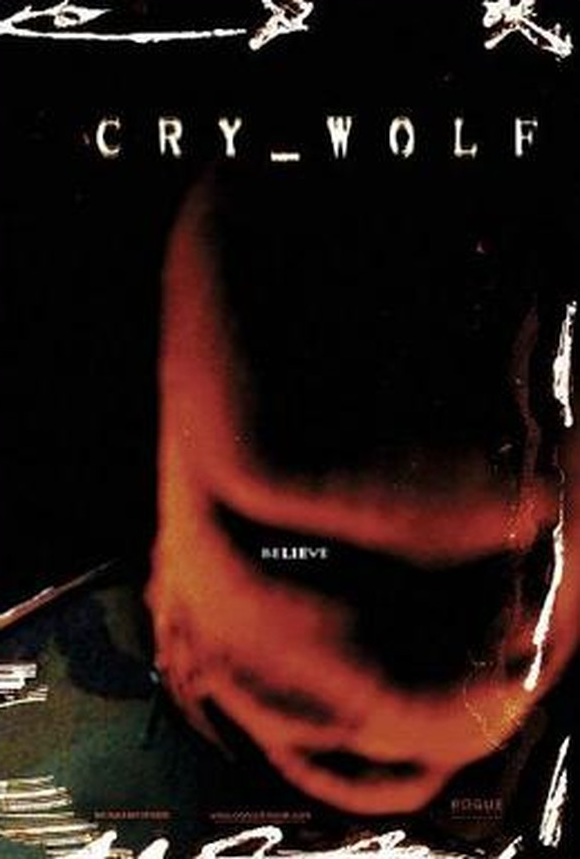
The label closed in 2005, the same year Cry Wolf was released, as NBC Universal restructured its specialty film operations. Focus Features absorbed some functions; others were wound down entirely. The timing meant that Cry Wolf was among the last films to carry the Rogue banner rather than one of its defining entries — a release positioned at the back end of an institutional experiment rather than near its centre. Universal subsequently revived the Rogue Pictures name for a separate label in 2007, but with a different corporate architecture and no continuity with the Focus-era operation.
What the Focus-era Rogue label demonstrated, briefly, was that a prestige studio could run a genre imprint at arm's length — keeping the commercial returns while preserving a distinct identity for the parent brand. Rogue's version lasted four years, released a handful of films that have endured, and closed before it could be tested further. Cry Wolf carries its imprint accordingly: a period piece in more than one sense.