The Architecture of Threat
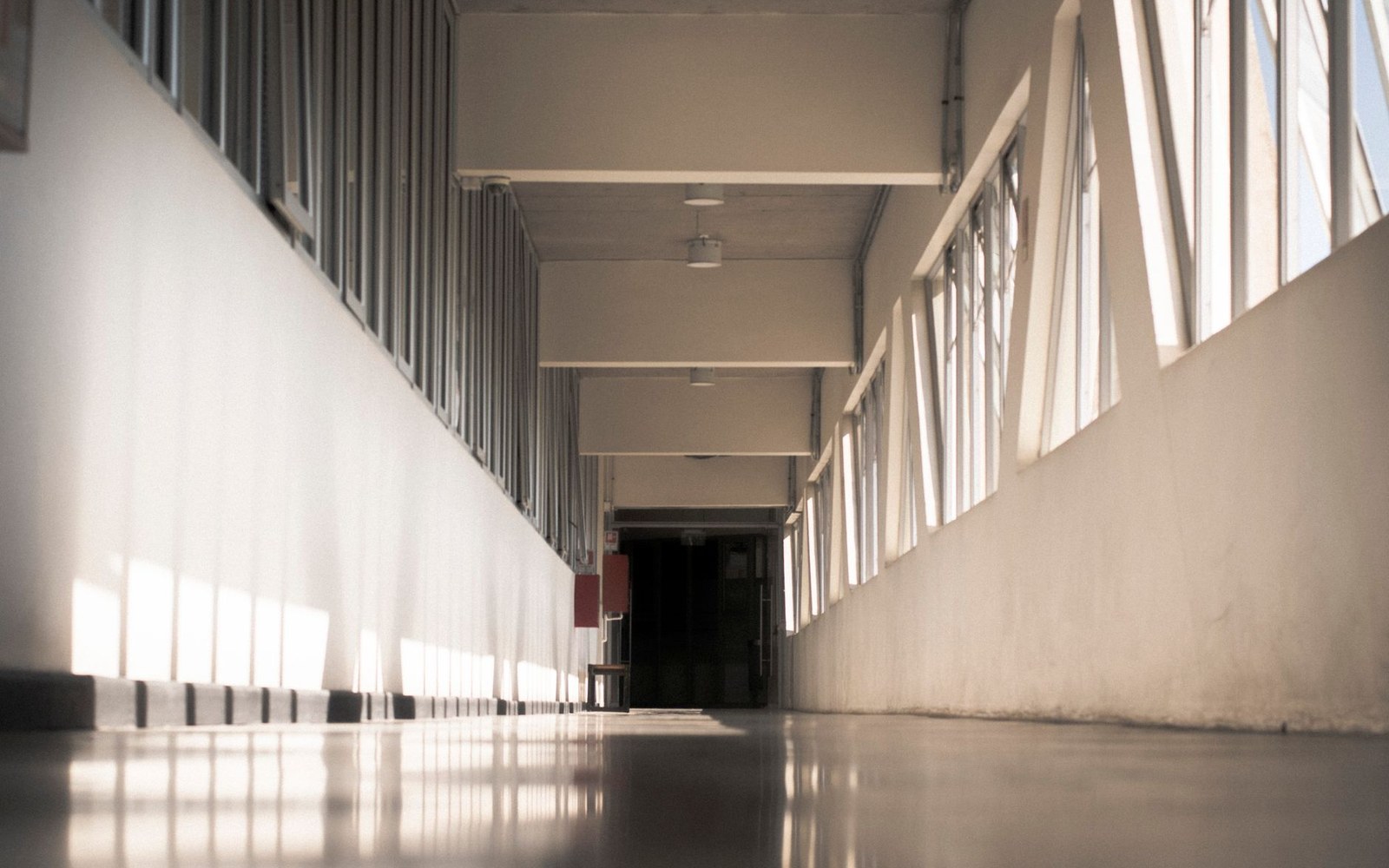
The dormitory sequences in Cry Wolf (2005) are not incidental to the film's effect — they are where its formal argument lives. The footage shot in Richmond's residential interiors exploits a simple but potent fact about institutional housing: every room is the same room. The same door, the same frame, the same distance from the stairwell. That repetition, which exists in real campus life to impose equity and manage populations, becomes in genre cinema a machine for disorientation. The protagonist cannot orient herself by visual difference. Neither can the audience. The corridor produces a sustained low-grade anxiety that has nothing to do with performance or plot, and everything to do with architecture.
Symmetry as Suspense
Wadlow and cinematographer Romeo Tirone shoot Richmond's residential interiors with deliberate flatness — the lens placed at corridor level, centred, letting the hallway's bilateral symmetry do the compositional work. This is not laziness; it is an argument. A symmetrical corridor has no privileged direction. It says: both ways are equally unknown. Every frame built this way refuses the viewer a point of safety to rest the eye on, because the eye's natural instinct — find the asymmetry, that is where the information is — comes up empty. The threat can arrive from either vanishing point with equal plausibility, and the camera, by refusing to favour one direction over the other, makes both equally loaded.
The institutional lighting compounds the effect. Fluorescent overhead strips cast no shadow that tells a story. Natural light implies outside, which implies escape; fluorescent strip light implies only the building, only the corridor, only the institutional fact of being inside and regulated. Richmond's actual dormitory lighting — the kind found in thousands of American university halls, designed for cost and coverage rather than atmosphere — turns out to be, without modification, precisely the quality of illumination that horror cinematography spends money trying to simulate. Wadlow had it for free, and he used it straight.
The identical doors deserve particular attention. Each is a potential answer and a potential threat. In the social deduction game that gives the film its dramatic architecture — the Werewolf-derived structure in which a hidden threat moves among a group of players — the corridor becomes a literal extension of that game's logic. Any door could open onto an ally or a killer. The film's residential sequences keep that ambiguity spatial rather than merely narrative: the question the plot is asking and the question the building is asking are the same question.
Confinement and Complicity
There is a tradition in horror of using institutional spaces — hospitals, prisons, schools — not merely as setting but as argument. The institution confines; the genre kills within that confinement; the audience registers a discomfort that has a social as well as visceral dimension. Carol Clover's analysis of the final girl convention identified the slasher as a genre preoccupied with who survives within a fixed, rule-bound social space; the dormitory, as an institution, is already a space with explicit rules about who may be where and when, and Cry Wolf makes that explicit by setting its game — with its own rules, its own elimination logic — inside it.
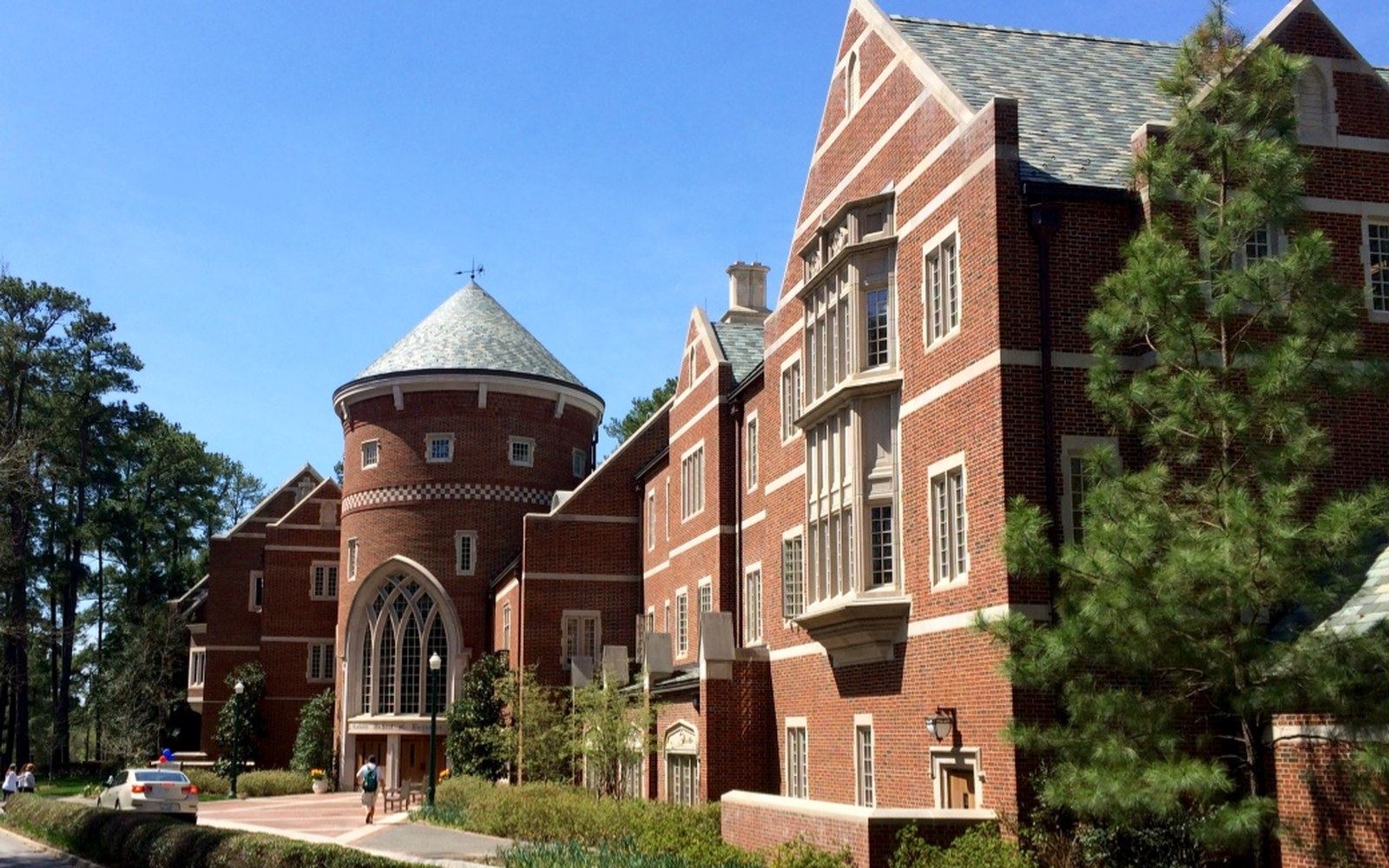
The boarding school setting intensifies this. Richmond's campus stood in for a fictional American prep school, and the residential halls of a boarding institution have a particular charge that a commuter college dormitory does not: residents cannot simply go home. They are, by structural definition, confined to the campus. The film exploits this without underlining it — the characters never articulate that they cannot leave, but the building's geometry, and the scene construction, enforce it. Exits appear and are frustrated. A corridor that promises a stairwell leads to another corridor. The architecture produces the feeling of entrapment without the narrative needing to supply it.
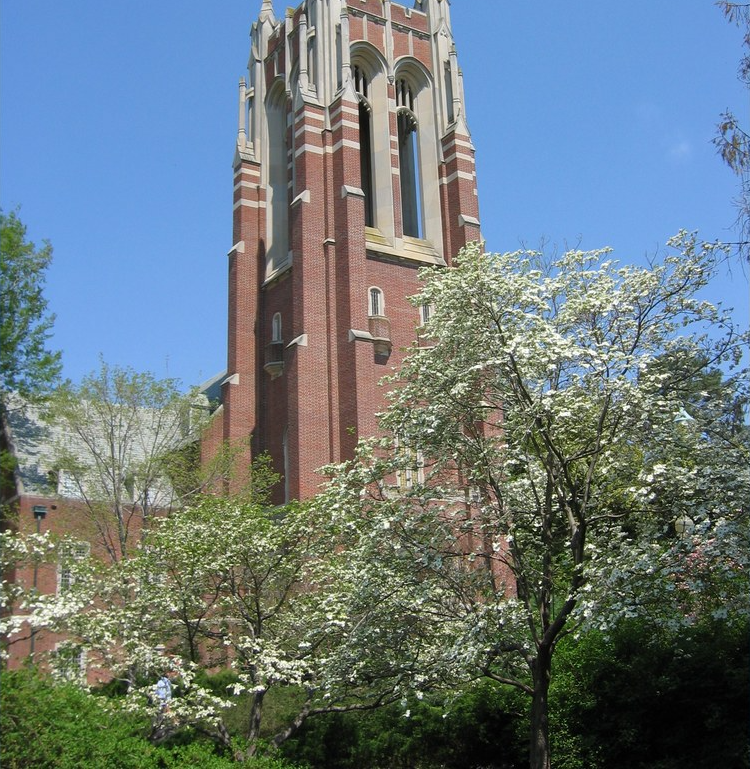
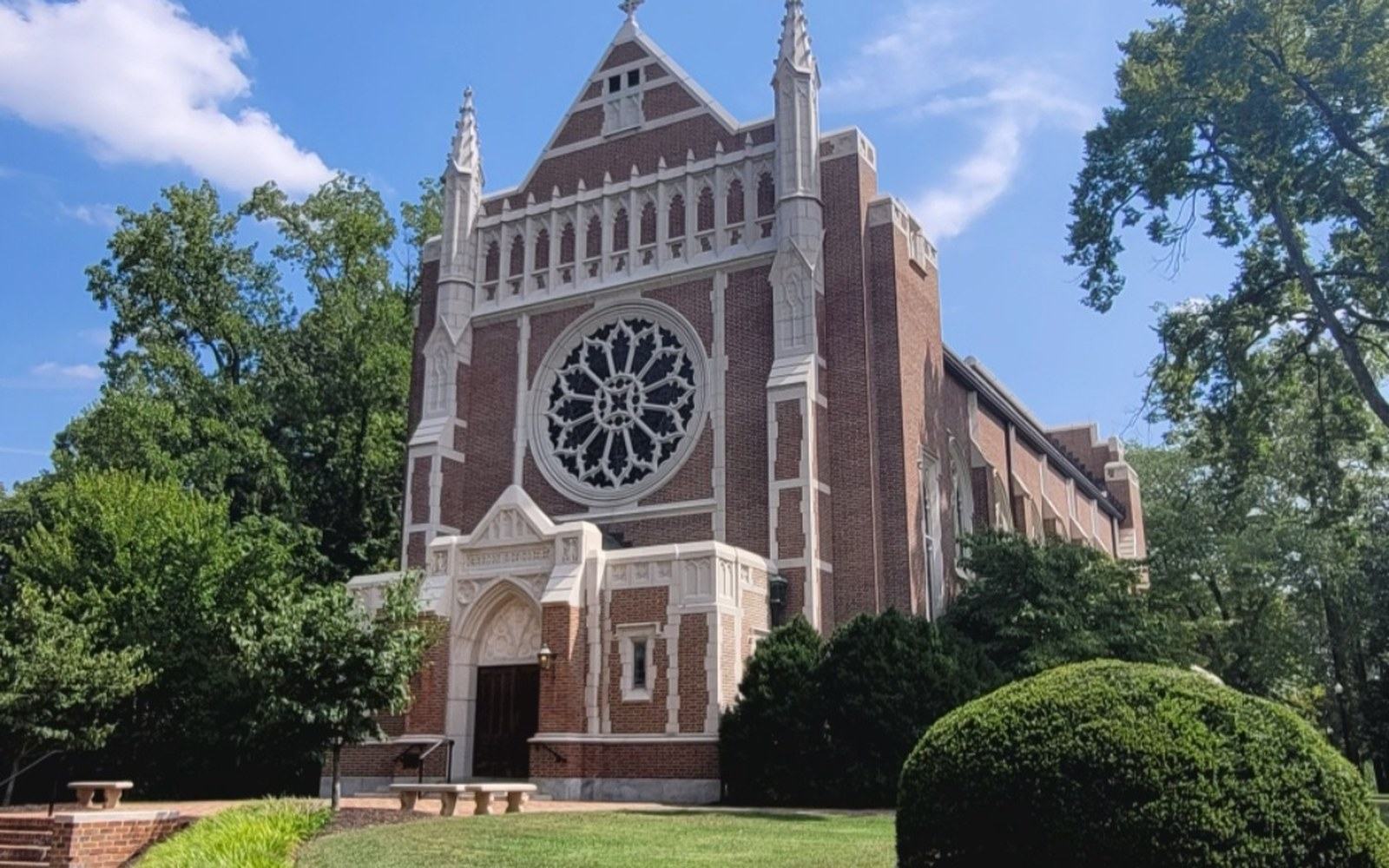
This is what distinguishes the film's use of Richmond's physical plant from mere location convenience. The Cannon Memorial Chapel provides grandeur for a key dramatic scene; Westhampton Lake provides exposure and vulnerability for another. But the residential corridors provide something quieter and more sustained: a background hum of spatial unease that runs beneath every scene set inside the buildings, whether or not anything overtly threatening is happening. A scene of students talking in a hallway is still a scene of students inside a symmetrical corridor with identical doors and fluorescent light — the genre charge is present even when the dialogue is mundane, because the building carries it.
The Formal Inheritance
Cry Wolf arrived in 2005, after the early-decade wave of Asian horror remakes had established the haunted domestic space as the genre's dominant architectural preoccupation, and before the late-decade and early-2010s cycle of extreme home-invasion films had made the domestic interior a site of explicit class anxiety. It occupies, in this sense, a particular historical moment: the institutional interior as compromise between those two modes. The dormitory is neither the private home (no ownership, no personalisation beyond a pinboard) nor the public building (residents have keys; it is nominally theirs). It is something in between — a managed, regularised simulacrum of domesticity, which is exactly the uncanny register horror needs.
The films that would define genre architecture a decade later — The Witch's (2016) oppressive New England farmstead, the sealed transit geography of Train to Busan, Green Room's windowless venue — each chose their locations with similar formal intentionality, building the spatial argument into the premise. The corridors at Richmond were not a backdrop. They were the film's argument about institutional confinement made visible — repeated, lit from above, opening onto identical doors, offering symmetry where the audience needed asymmetry, and refusing escape in the way that only architecture, and not plot, can truly refuse it.