The Numbers and What They Hide
What the Trades and Critics Actually Noticed
The formal element that drew the most consistent commentary was the screenplay's structure — specifically the way Cry Wolf builds its tension through a social deduction game among prep-school students before the manufactured threat apparently escapes its fictional frame. A handful of reviews acknowledged the concept as clever, or at least as more considered than the PG-13 slasher norm of 2005. What those same reviews typically withheld was the verdict that the film fully delivers on the premise. The third act, in which the script's layered misdirections resolve into a twist, drew scepticism from critics who found the payoff either undercooked or too schematic — an algebra problem solved correctly but without surprise.
The cast received scattered attention. Julian Morris, in his feature debut, was noted as a capable lead without eliciting strong praise or blame. Jared Padalecki, then weeks away from beginning production on Supernatural, appeared in a supporting role that reviewers largely left uncommented. Jon Bon Jovi's presence as the journalism teacher attracted the most curiosity — his casting was treated as a novelty, a line of copy, rather than as a performance to evaluate in depth.
The University of Richmond locations were almost entirely invisible in the reviews. The collegiate Gothic architecture that gives the film its visual register — stone buildings, cloistered corridors, the mass of Cannon Memorial Chapel — went unnoted in virtually every notice. That kind of location texture rarely gets critical attention in genre pieces; it tends to surface only in retrospective analysis, when a film has earned the scrutiny.
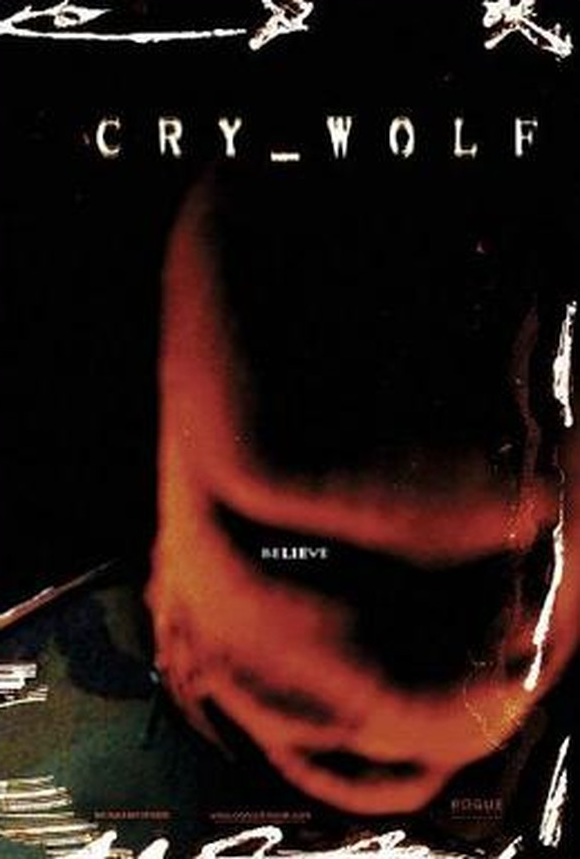
Cry Wolf received the review length appropriate to a moderately budgeted studio genre release with limited expectation and a short theatrical window through Rogue Pictures. That brevity is itself a critical verdict: not bad enough to savage at length, not good enough to take seriously. The most honest summary of the contemporary record may be that the film was processed rather than read — which is precisely the condition that retrospective attention exists to correct.