From Richmond to Universal
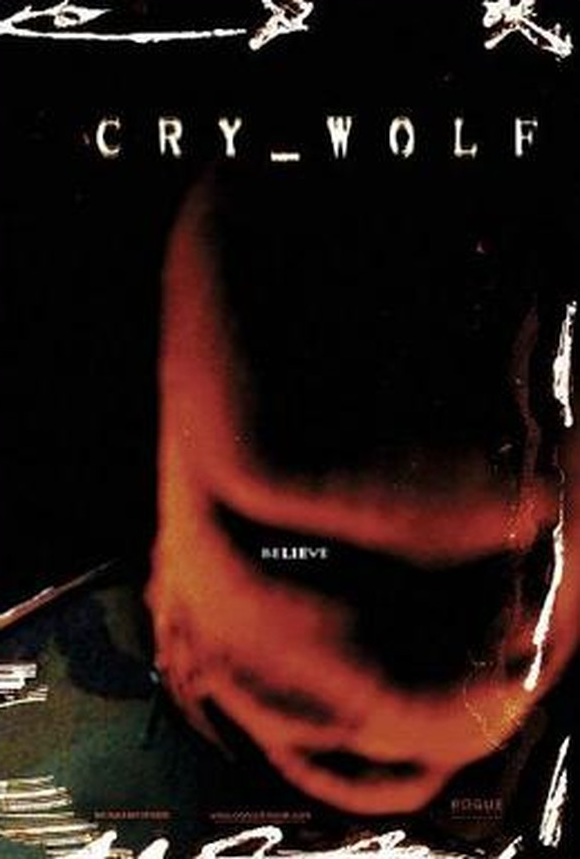
The Chrysler Million Dollar Film Festival gave Wadlow and Beau Bauman seed money and a story to tell. Cry Wolf (2005) demonstrated enough commercial instinct — a clean three-act structure, functional suspense, a marketable hook — to move Wadlow into development conversations with larger companies. That is precisely what a modestly budgeted genre release can produce: not blockbusters, but proof of directability.
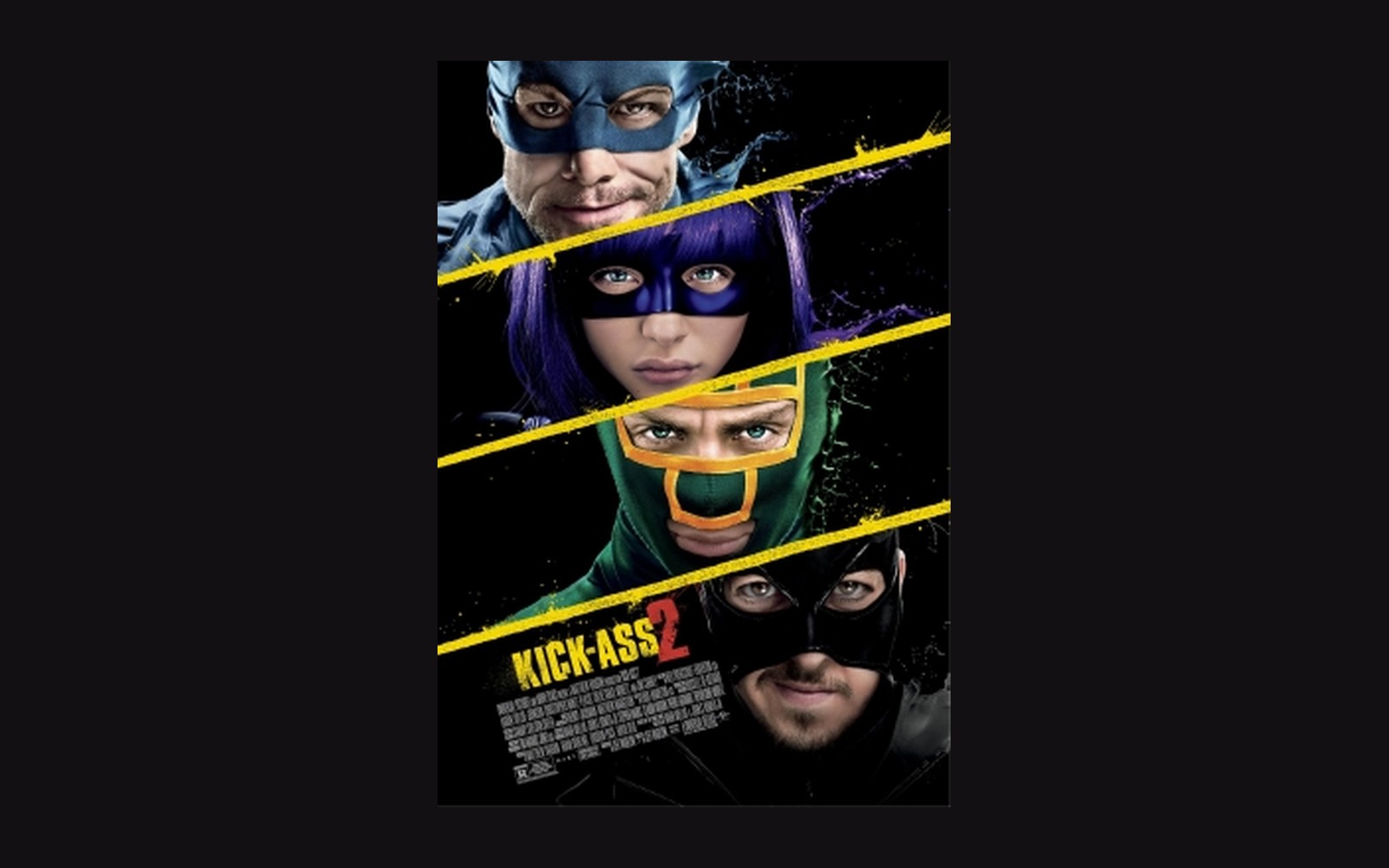
His next big studio feature arrived eight years later. Kick-Ass 2 (2013), released by Universal Pictures, took over the franchise Mark Millar and John Romita Jr. had established on the page and that Matthew Vaughn had translated to screen in 2010. Wadlow wrote and directed the sequel, working with a cast that included Jim Carrey, Chloë Grace Moretz, and Aaron Taylor-Johnson. The production operated at a scale entirely unlike Richmond, Virginia: a reported budget of about $28 million, according to Box Office Mojo, against a domestic opening weekend that landed below expectations. Carrey publicly distanced himself from the film's violence shortly before release — a complication no press tour easily absorbs. Internationally the film performed more solidly, but Kick-Ass 2 was broadly understood as a commercial disappointment relative to its predecessor, and the franchise did not continue.
What Kick-Ass 2 demonstrated, whatever its reception, was Wadlow's willingness to work inside genre at scale and to handle ensemble casts within tightly plotted material. The skills are recognisably continuous with Cry Wolf's social-deduction architecture: a group of characters in proximity, hidden allegiances, accelerating stakes. The register simply shifted from prep-school horror to superhero action-comedy.
The Blumhouse Years
Truth or Dare (2018) brought Wadlow into the orbit of Jason Blum's Blumhouse Productions, the company that had redefined low-budget horror's commercial ceiling through the Paranormal Activity and Insidious franchises. Produced for a modest reported budget and released by Universal through Blumhouse's label arrangement, Truth or Dare applied the social deduction logic of Cry Wolf's wolf game to a supernatural party-game conceit: a group of young adults find themselves compelled to carry out dares or tell truths or die. The structure is close to explicit — hidden threat, group under pressure, elimination — and the film performed well enough at the box office that it justified the Blumhouse model's core premise: controlled cost, reliable opening weekends.
Fantasy Island (2020), also produced by Blumhouse and released by Sony, extended the collaboration. Adapted from the 1970s television property, it attempted a tonal blend of wish-fulfilment and horror that the critical reception largely rejected, though again the budget constraints meant the financial risk was contained. Both films are critic-proof in the technical sense that Blumhouse productions are structured to profit before the reviews arrive.

What the Record Shows
Taken together, the three post-Cry Wolf features describe a particular kind of studio career: one built on genre competence rather than auteurist singularity. Wadlow works within established intellectual properties or high-concept premises, delivers on schedule and within budget, and accepts the terms that commercial horror sets. That is not a diminishment — most directors who emerge from independent debuts do not sustain theatrical careers at all. The Chrysler prize and the Rogue Pictures acquisition opened a door; the subsequent credits show what was required to keep walking through it.
The University of Richmond locations, the tight cast, the reliance on architectural atmosphere and dramatic irony rather than effects spending — these were the conditions that produced the most controlled work. At studio scale, those constraints relax, and so does the precision. The shape of the career is the shape of that trade-off.